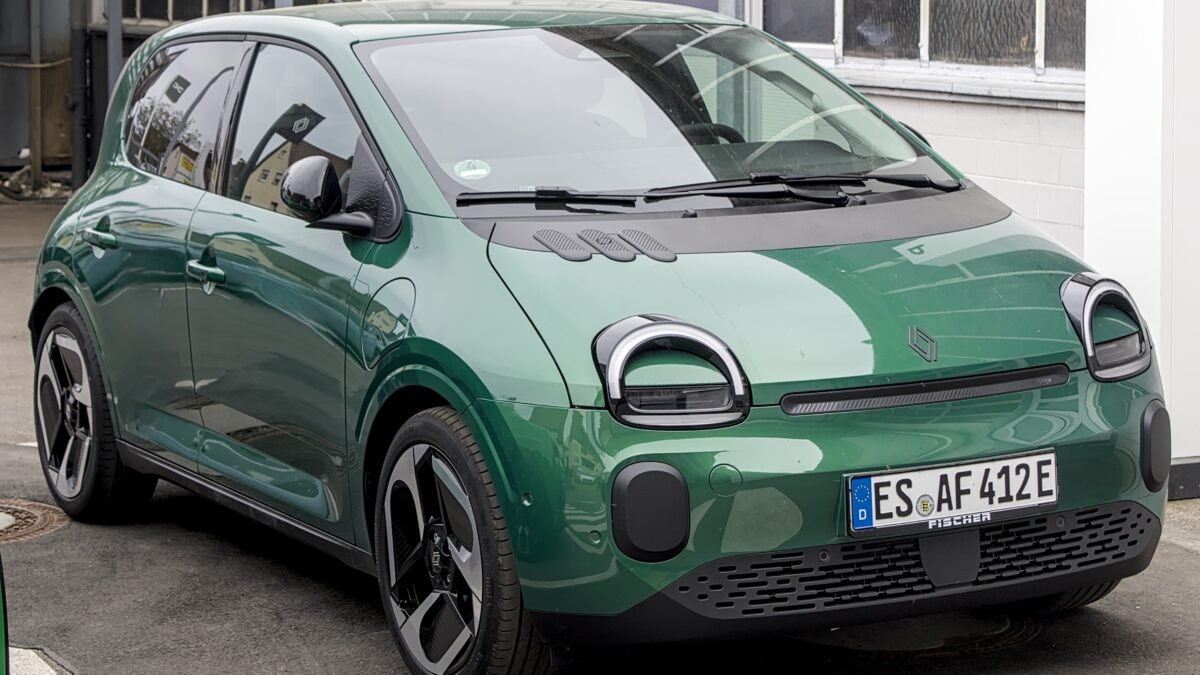
The Renault Twingo E-Tech asks a useful question of the electric-car market: how much car do you need for the journeys you actually make? Its answer is a five-door body less than four metres long, four seats and a battery sized around daily use.
The interesting part is not a record-breaking range figure. It is whether a compact EV can make ordinary errands, commuting and parking feel easier without asking buyers to carry more vehicle than they need. The Twingo gives that argument a cheerful face, but the practical details deserve equal attention.
A small electric car with a clear brief
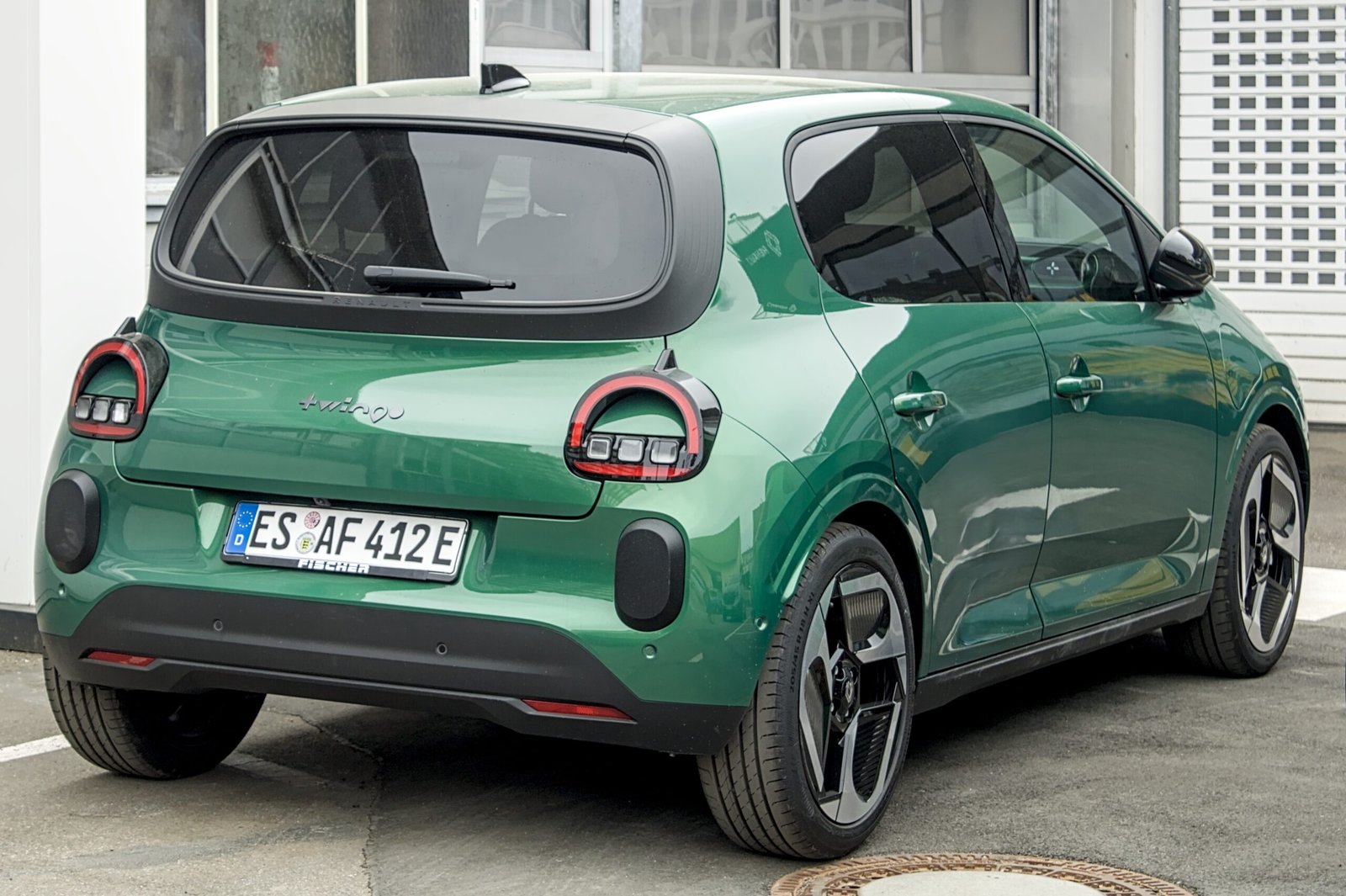
Renault’s September 2026 Polish presentation describes a 3.79-metre body and a 2.49-metre wheelbase. It also identifies two independently sliding rear seats, a folding front-passenger backrest and up to 360 litres of luggage space.
Those are useful ingredients for a city car, but they should not be read as promises of maximum passenger room and maximum luggage capacity at the same time. Sliding seats create choices about how space is allocated. That is flexibility, rather than a way to make a small body infinitely spacious.
Four seats also mean four occupants. A buyer who routinely needs a fifth seat can rule the Twingo out before getting distracted by its styling.
What 263 kilometres actually tells you
Renault’s Swiss technical sheet lists a 27.5 kWh usable LFP battery and up to 263 km of homologated WLTP range. It lists a 60 kW motor and 175 Nm of torque. These are manufacturer specifications, not measurements from a Woom road test.
The range figure is a standardised comparison point. It does not establish how far a particular owner will travel on a cold motorway journey with passengers and luggage. For someone considering a small EV, the useful comparison is with their own regular distances and charging opportunities.
A short commute with dependable overnight charging is a different proposition from frequent long trips supported entirely by public chargers. The same car can make much more sense in one routine than the other.
Read the charging specification carefully
The Swiss sheet quotes 28 minutes for a 15–80% charge using 50 kW DC charging. That is a partial-charge window under specified conditions, not an empty-to-full guarantee. Equipment and charging capability should be checked against the exact version offered in the buyer’s market.
A headline charging time is most useful when treated as the starting point for planning. Where would the car charge during an ordinary week? Would charging require a separate journey? Those questions matter more to everyday convenience than a flattering comparison between peak power figures.
The appeal is in the everyday details
Our feature on the Honda N-BOX explores another approach to making a small car useful. The Renault follows a different formula, but it belongs in the same conversation about giving limited space a clear purpose.
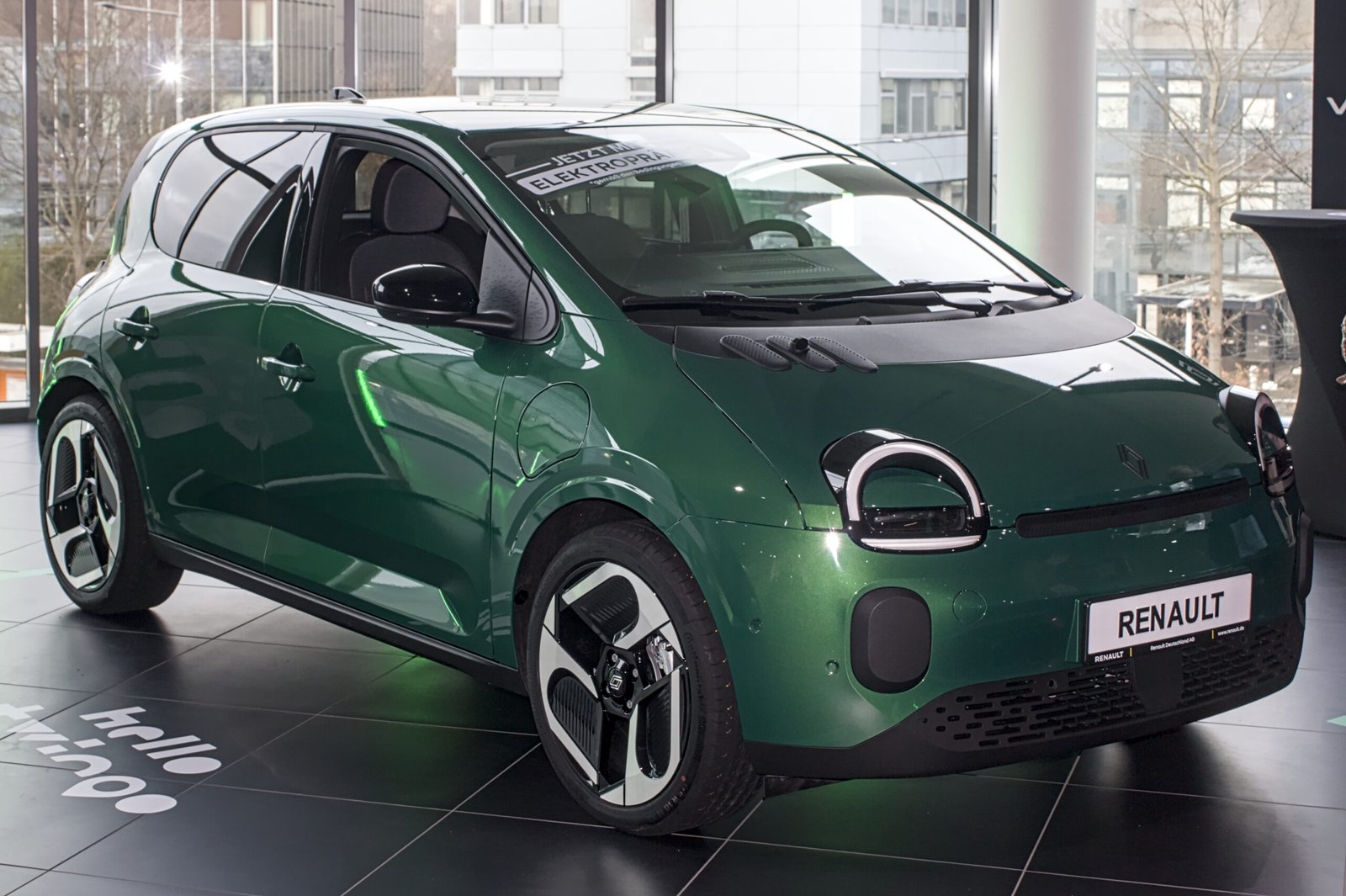
The Twingo’s proposition is easy to understand: compact dimensions, adaptable seating and an electric drivetrain for a defined job. It deserves attention from buyers whose routines fit that job. Its charm starts the conversation; the seating and charging requirements decide whether the conversation should continue.
Sources: Renault Poland presentation, 16 September 2026; Renault Switzerland technical specifications. This is a product analysis, not a new launch announcement or a first-hand road test. Market specifications may differ.
Featured image: Renault Twingo E-Tech photographed in May 2026. Market equipment may differ. Photo: Alexander Migl / Wikimedia Commons, CC BY-SA 4.0. Displayed at reduced size; no editorial crop.