The Citroën DS makes a persuasive argument for judging a car from the passenger seat. Its shape still earns the first look, but the more interesting idea is underneath: comfort was important enough to organise the engineering around it.
That makes the DS worth revisiting beyond the usual photographs of a beautiful French classic. A car can make a journey memorable by reducing the effort it asks of the people inside. The DS gave that ambition an unusually distinctive form.
The Citroën DS put comfort at the centre
The DS 19 made its public debut at the Paris Motor Show on 6 October 1955. Its development brought together André Lefèbvre, hydraulic-system creator Paul Magès and designer Flaminio Bertoni. The result combined an unconventional silhouette with an equally ambitious mechanical approach.
Magès developed the hydropneumatic suspension and the hydraulic assistance for steering, braking and clutch operation. These were central features of the original DS, rather than a luxury package layered over an otherwise ordinary car.
It is this connection between the visible design and the underlying priorities that gives the story its appeal. The body promised a different experience; the engineering had a job to do beyond supporting the body.
Four balloons explained the idea
A 1959 advertising image showed a DS body supported by four enormous balloons. Those balloons represented the suspension spheres, turning unfamiliar machinery into a simple promise of comfort.
It remains a remarkably clear piece of car communication. There is no need to understand the hydraulic circuit to understand what the image wants you to feel. It sells the benefit before asking the audience to admire the mechanism.
That is a useful test for any ambitious car technology. Can its purpose be explained in terms of a better journey, or does the explanation stop at a new component? With the DS, comfort supplied the answer.
A design that kept developing
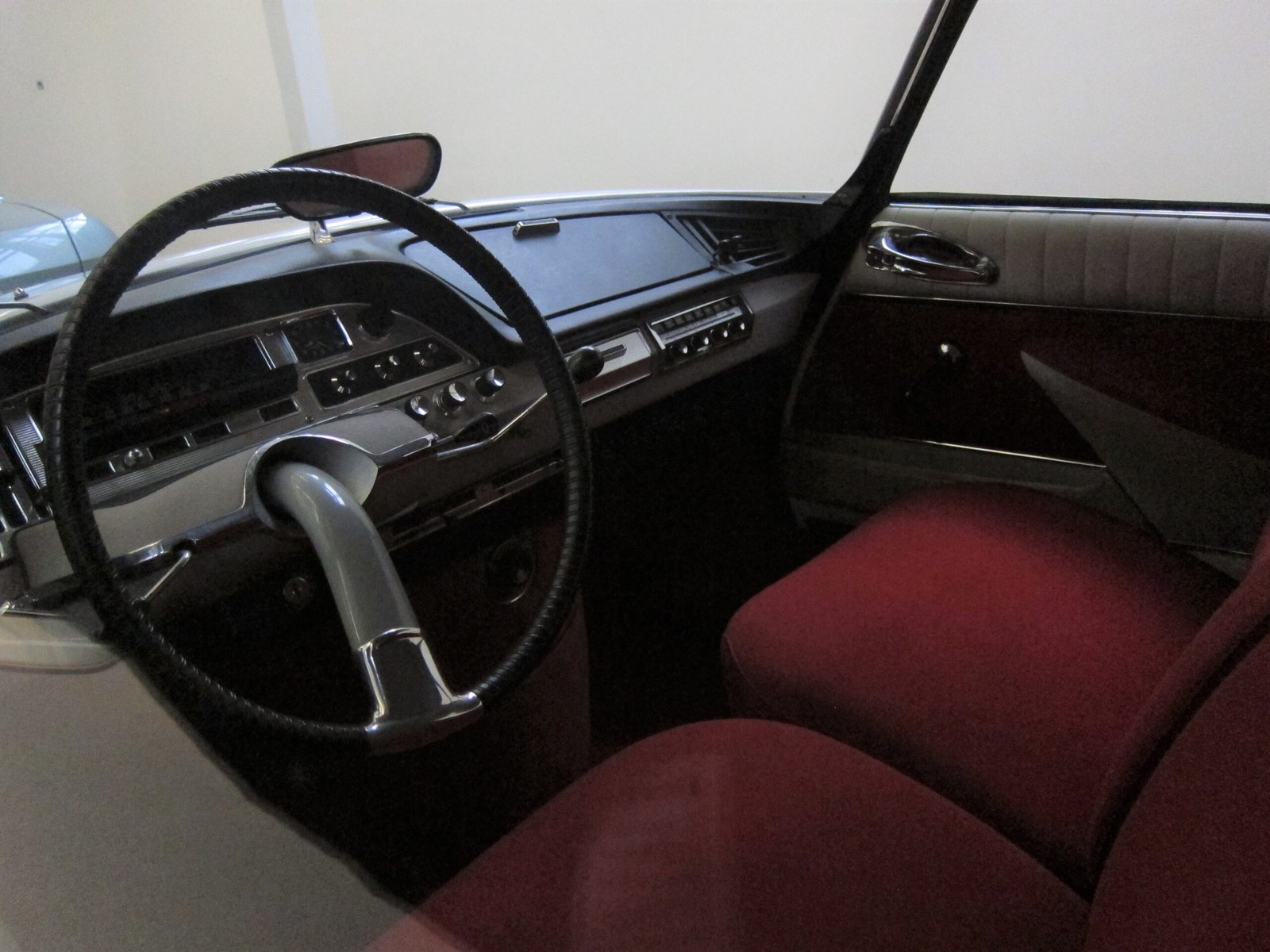
The DS story did not freeze at its launch. The Pallas version arrived in 1964, bringing more elaborate trim and thicker seats. In 1967, the facelift introduced the famous swivelling headlamps, standard on the range-topping Prestige, Pallas and Cabriolet versions.
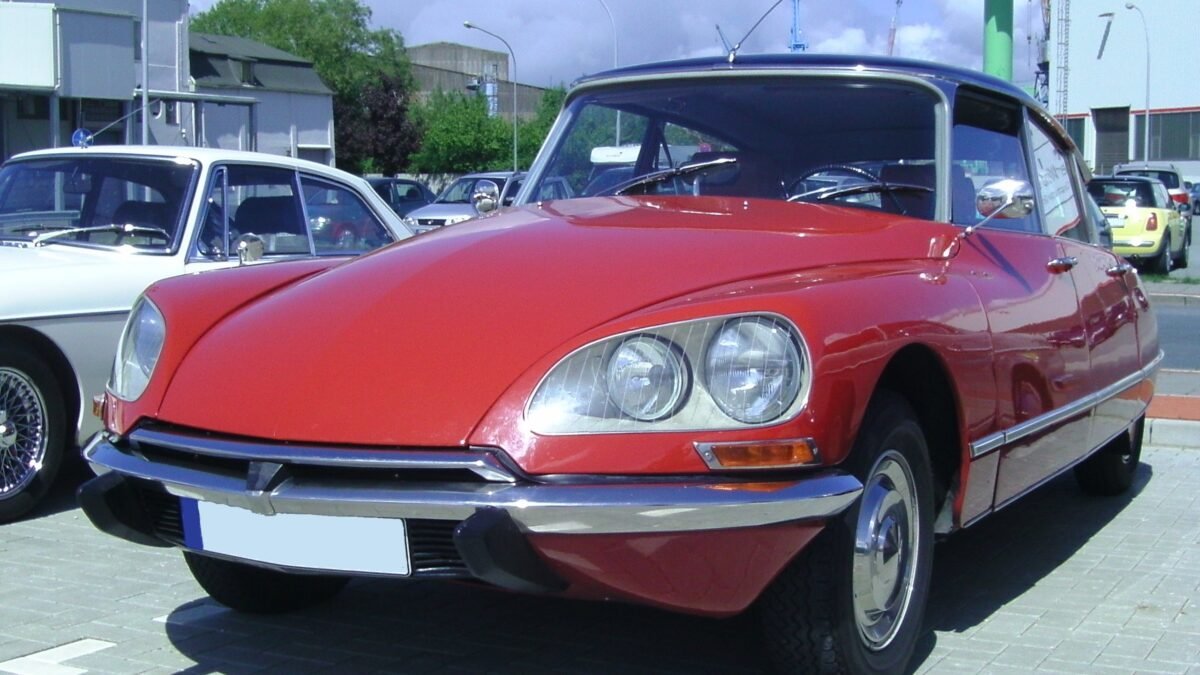
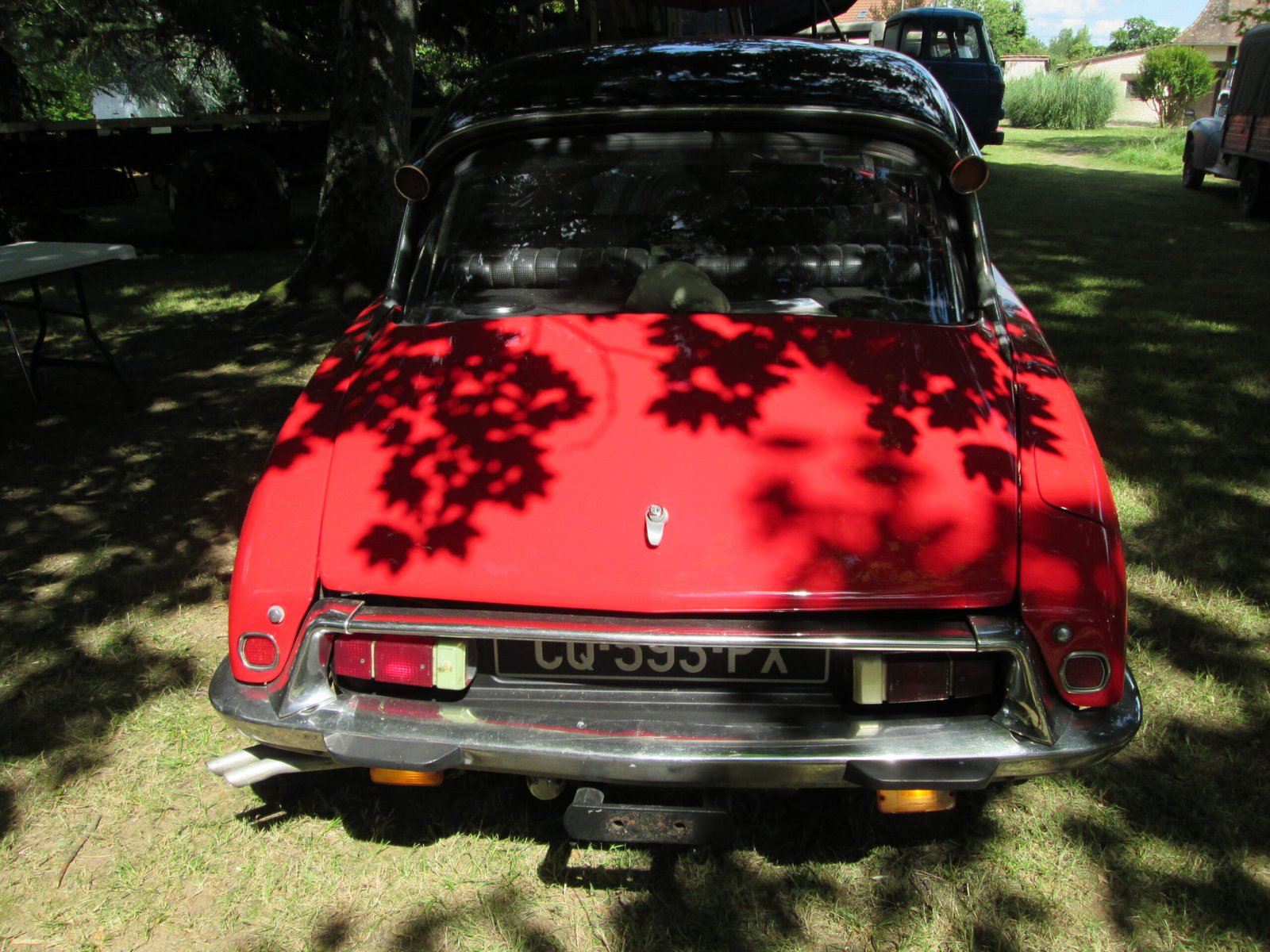
Those details matter because an icon can look inevitable in hindsight. The DS was also a production car that changed over time. The later DS 21 pictured here should not be mistaken for the original 1955 DS 19.
What makes a journey feel good?
Our feature on German cars that make a drive feel special considers several kinds of enjoyment. The DS belongs in that wider conversation: a satisfying car need not ask its occupants to be excited every minute.
This is a retrospective, not a road test or a claim that an old DS outperforms modern cars. Its lasting appeal is the clarity of its priorities. It invites us to put ride comfort near the top of the shopping list, then ask how seriously a manufacturer has engineered for it.
Sources: DS Automobiles: a 70-year history (January 2025); DS Automobiles on the balloon advertising image.
Featured image: A later Citroën DS 21, photographed in 2011; not the original 1955 launch car. Photo: Tvabutzku1234 / Wikimedia Commons, CC0 1.0.