The best feel-good German cars are not necessarily the fastest. Some reward the driver with feedback, others remove stress — and the very best make an ordinary journey feel worth remembering.
A car can be objectively excellent and still leave its driver cold.
It may accelerate brutally, produce an impressive efficiency figure and contain enough computing power to run a small office. None of that guarantees the moment of satisfaction that arrives when the door closes properly, the seat settles around you and the next journey suddenly feels more appealing than the destination.
Feeling good in a car is difficult to measure because it comes from several places.
Sometimes it is mechanical: the weight of a gearshift, the accuracy of the steering or the response of an engine. Sometimes it is emotional: the view over the bonnet, the sound made on startup or the knowledge that the vehicle can handle almost anything asked of it.
Comfort matters too. A car that leaves its driver calmer after three hours on the road offers a different kind of pleasure from one that makes every corner entertaining.
This ranking is therefore not a list of the seven fastest German cars, the seven most expensive or even the seven objectively best.
It is an editorial selection based on current specifications, independent road tests, everyday usability and one central question:
Which German cars are most likely to make their owners feel genuinely pleased every time they get behind the wheel?
7. Volkswagen Golf GTI Edition 50
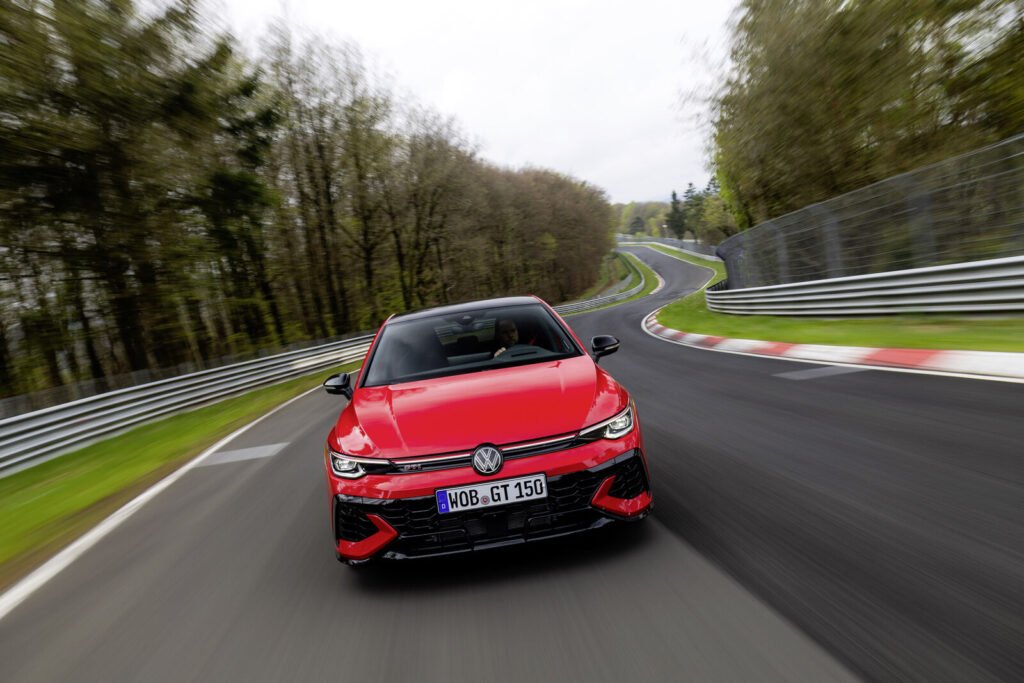
The car that turns an ordinary day into a better one
The Volkswagen Golf GTI has spent five decades succeeding at something far more difficult than building a fast hatchback.
It makes performance feel usable.
The Edition 50 celebrates the GTI’s anniversary with 325 PS, making it the most powerful production GTI Volkswagen has built. It sits 15 millimetres lower than a standard Golf, uses adaptive DCC suspension and can be specified with a performance package that adds more focused chassis tuning, semi-slick Bridgestone tires and lighter forged wheels.
Volkswagen recorded a 7:46.13 lap of the Nürburgring Nordschleife, the quickest time achieved there by a production Volkswagen.
Those numbers give the Edition 50 credibility, but they are not the main reason it belongs here.
A Golf GTI still has five doors, a useful rear seat and a boot capable of dealing with ordinary life. It does not ask the owner to choose between having a car for work and one for enjoyment. The same vehicle can handle a wet commute, collect groceries and become properly entertaining when the road opens up.
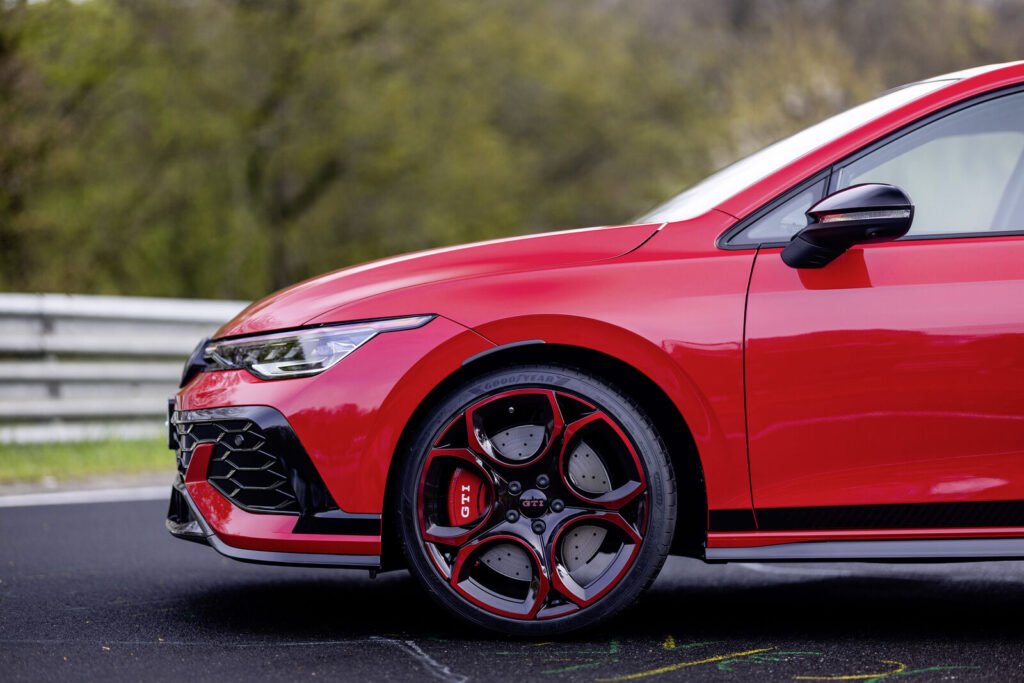
Independent testing found the Edition 50 more track-focused than an ordinary GTI while retaining the broad usability that defines the model.
Its weakness is price. In some markets, it reaches territory previously associated with larger, more powerful and all-wheel-drive performance cars.
That makes it harder to defend as a rational purchase.
The emotional argument is stronger.
A GTI gives the driver access to most of its character without requiring extreme speeds, perfect weather or an empty mountain road. Its satisfaction is available on a roundabout, an on-ramp or the journey home after a difficult day.
Few performance cars are so good at improving normal life.
6. Mercedes-Benz S-Class
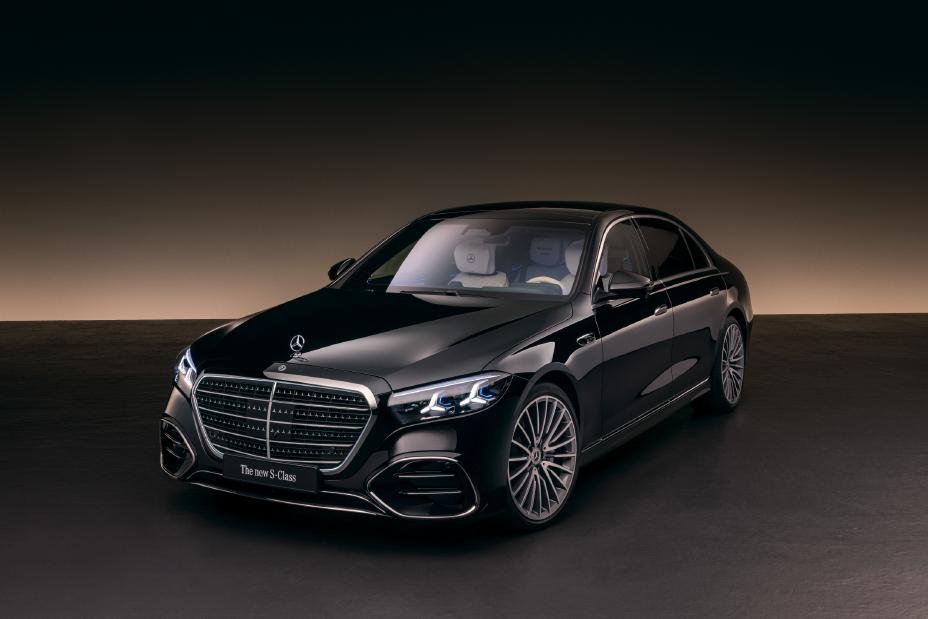
The car that makes the outside world feel less important
The S-Class provides a different kind of pleasure.
It does not need to encourage the driver to attack every bend. Its talent lies in reducing the effort, noise and irritation that often accompany driving.
Mercedes-Benz gave the current S-Class its most extensive update within a single generation for 2026, with more than half the vehicle’s components newly developed or revised.
The changes include updated powertrains, the latest MB.OS-based infotainment system, revised suspension technology and further development of the cabin’s comfort features.
The S-Class can combine multicontour seating, heating, ventilation and massage programmes with advanced climate control, acoustic insulation and air suspension.
Depending on specification and market, its systems can coordinate lighting, fragrance, audio, seat movement and temperature into integrated comfort programmes.
These may sound like indulgent details. After several hours behind the wheel, they become more meaningful.
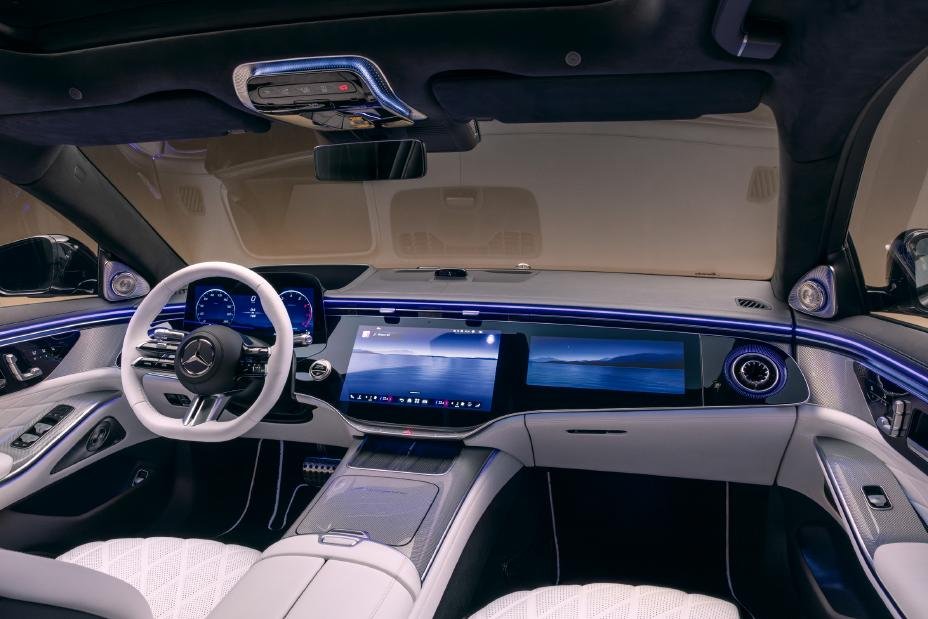
The S-Class is engineered to reduce physical and mental friction. The steering is light without feeling careless. Power arrives without drama. Road imperfections are softened before they become interruptions.
The cabin gives the driver enough distance from traffic, weather and noise to stop reacting to all of them.
There are valid criticisms.
The increasing reliance on touchscreens can make simple tasks less intuitive, while much of the S-Class mythology focuses on the rear passenger rather than the person doing the driving.
Yet the driver still benefits from the same obsessive refinement.
Most cars attempt to stimulate. The S-Class understands that feeling good can also mean arriving with lower shoulders, a quieter mind and no urgent desire to leave the seat.
5. Porsche Taycan GTS
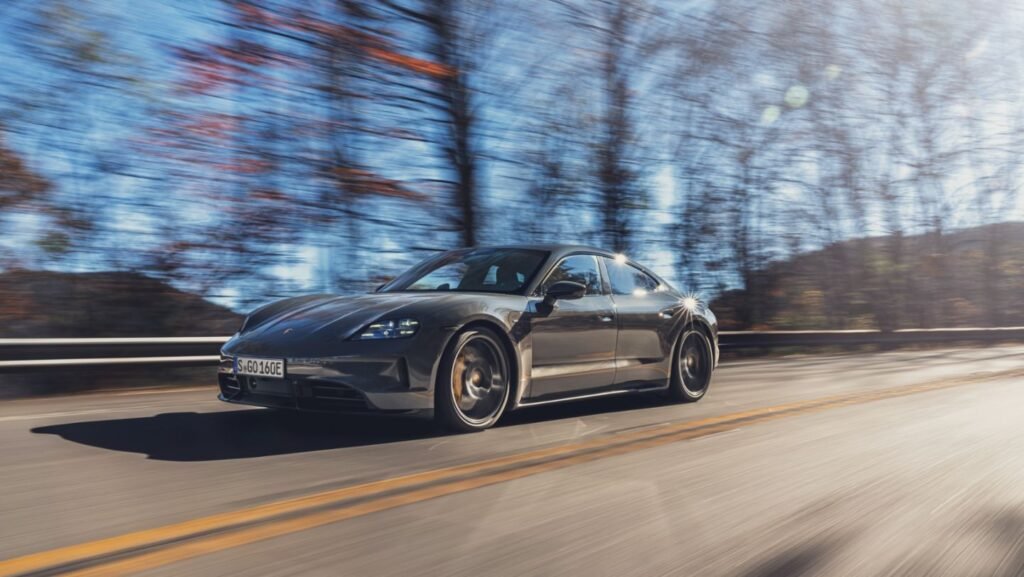
The electric car that refuses to treat emotion as inefficiency
Electric cars deliver speed easily. Character remains more difficult.
The Porsche Taycan GTS occupies the most convincing point in the Taycan range because it balances serious performance with enough restraint to remain useful.
The current GTS can produce up to 690 horsepower with Launch Control, while Porsche positions it between the regular Taycan models and the far more extreme Turbo variants.
For the 2027 model year, Porsche is adding an optional E-Shift system across the Taycan range.
It introduces simulated gear changes, altered torque delivery and a more expressive version of Porsche Electric Sport Sound. The system is intended to give acceleration a sense of rhythm rather than the uninterrupted surge typical of most EVs.
Simulated gears in an electric car will divide opinion.
They are unnecessary from an engineering perspective and could feel theatrical when poorly executed. Porsche’s decision also reveals something important: efficiency and acceleration alone are no longer enough to distinguish a premium EV.
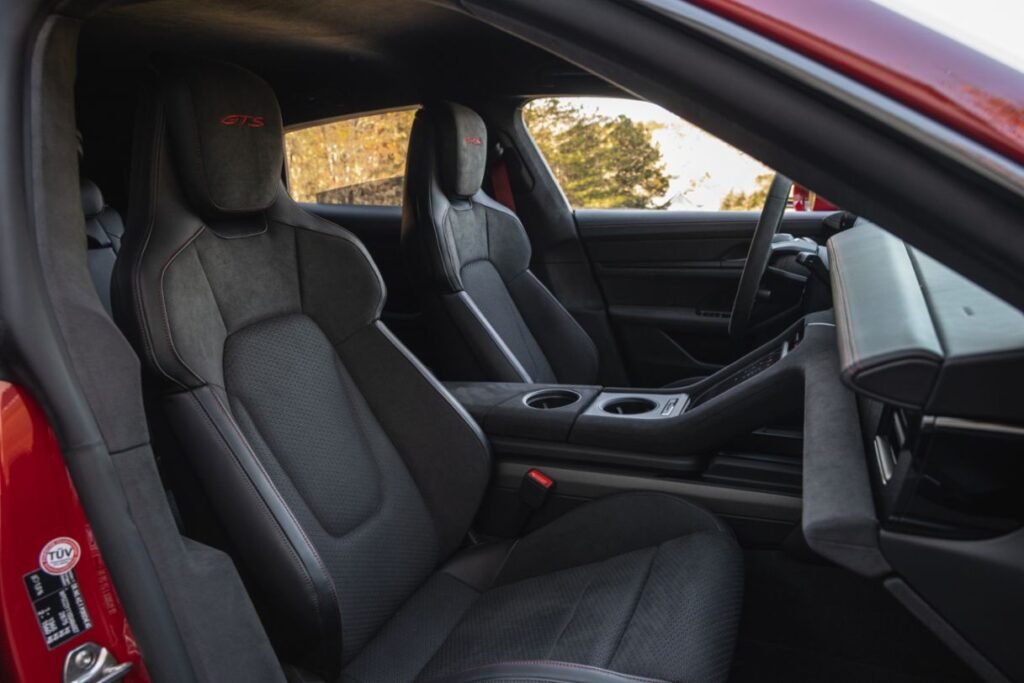
Drivers remember changes in sound, load and response. Those variations give a journey texture.
The Taycan already feels lower and more physically connected than most large electric cars. Its driving position, body control and steering give the driver useful information without making the vehicle exhausting.
The GTS adds enough aggression to feel special while avoiding the sense that every journey is an attempt to justify a four-figure horsepower number.
It does not imitate a combustion Porsche perfectly.
It feels good because Porsche has accepted that an electric car still needs to communicate with the person driving it.
4. Mercedes-AMG CLE 53 Cabriolet
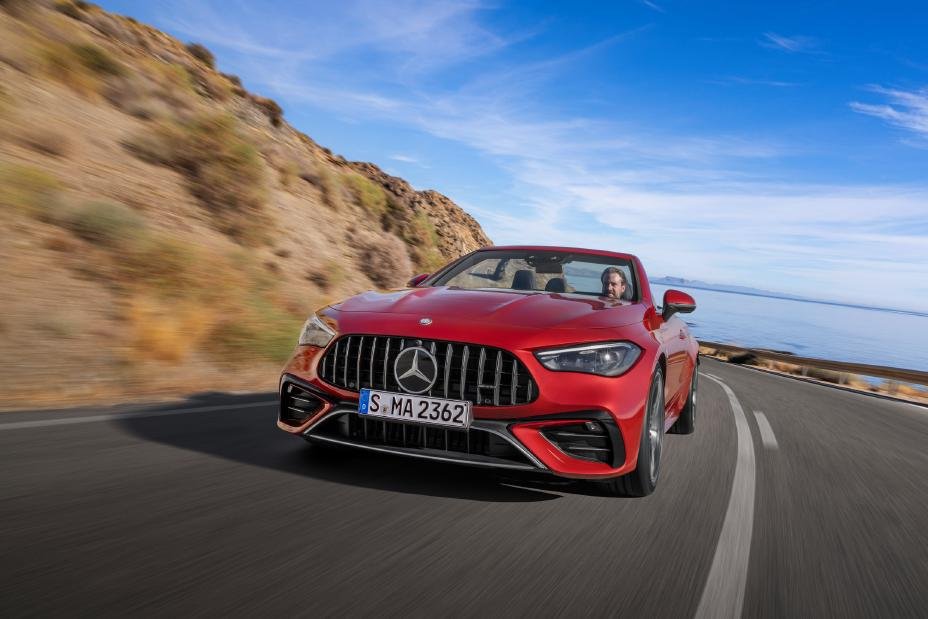
The car that makes a journey feel like an occasion
There is an argument that every feel-good list should contain a convertible.
Removing the roof changes the experience of speed without requiring more of it. At 50 mph, the driver becomes aware of temperature, light, trees, buildings and the sound reflected from the surrounding landscape.
A familiar route can suddenly feel new.
The Mercedes-AMG CLE 53 Cabriolet adds enough performance to keep that experience from becoming purely decorative.
Its turbocharged 3.0-litre inline-six produces approximately 449 horsepower and 560 Nm of torque. Variable AMG Performance 4MATIC+ all-wheel drive, adaptive suspension and rear-axle steering help manage a car that weighs more than two tonnes.
Mercedes quotes 0–100 km/h in 4.4 seconds.
The clever part is how much effort Mercedes has invested in extending the roof-down season.
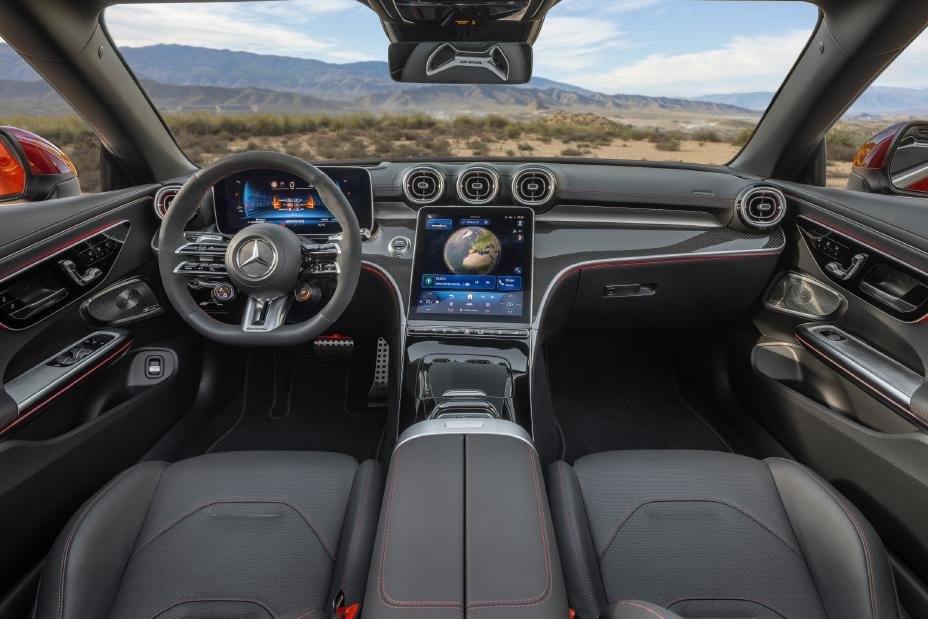
AIRSCARF directs warm air around the occupants’ necks. AIRCAP reduces turbulence in the cabin. The insulated fabric roof aims to preserve refinement when closed, while four usable seats make the CLE easier to integrate into ordinary life than a two-seat roadster.
Its weight prevents it from feeling as delicate as a smaller sports car.
The cabin is also heavily dependent on digital controls, and the CLE’s size can make narrow roads feel narrower still.
Those compromises do not remove its central appeal.
The CLE 53 makes its driver feel good before the road becomes challenging. Lowering the roof is an event. The long bonnet, warm-air system and six-cylinder engine create a sense of occasion that survives traffic and modest speeds.
Many performance cars need the right road.
A good convertible can improve almost any road.
3. Audi RS 6 Avant Performance
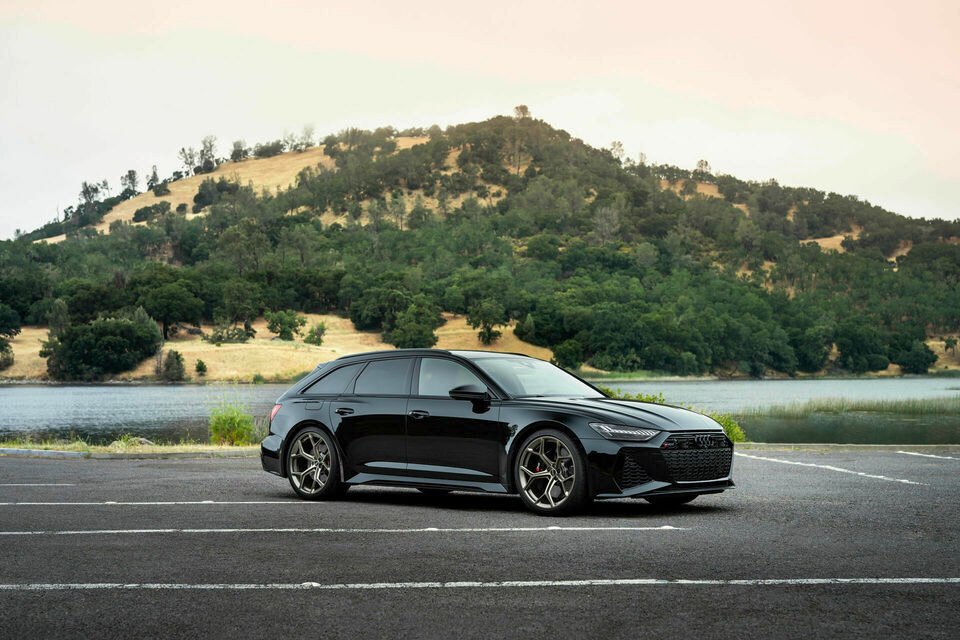
The car that makes its owner feel prepared for everything
The Audi RS 6 Avant Performance is satisfying because it eliminates excuses.
It has the space of a family estate, the traction of an all-weather car, the refinement expected from an expensive Audi and the performance of machinery that looks far less practical.
Its 4.0-litre twin-turbocharged V8 produces 630 PS and 850 Nm, sending power through an eight-speed transmission and quattro all-wheel drive.
Audi claims 0–100 km/h in 3.4 seconds, while the available Dynamic Plus package raises the electronically limited top speed to 305 km/h.
Audi also removed some insulation from the Performance version to bring more engine sound into the cabin.
Optional lightweight 22-inch wheels reduce unsprung mass, while the available ceramic braking system removes considerably more weight than the standard steel setup.
The RS 6’s greatest talent remains its breadth.
It can transport children, luggage and shopping without asking the owner to maintain a second sensible car. It can cover long distances quietly, accelerate with startling force and deal with poor weather without making the driver feel reckless.
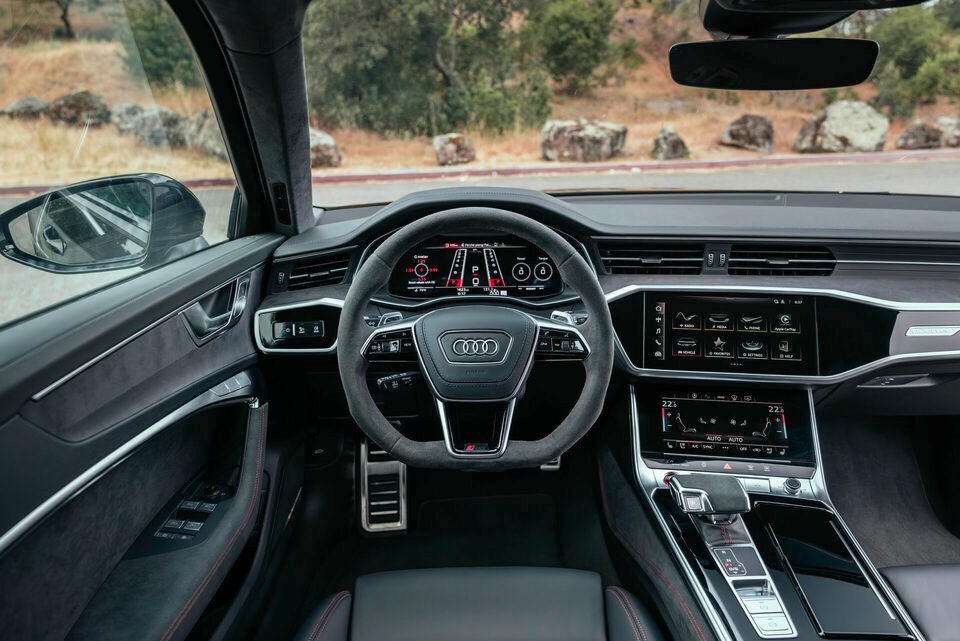
Recent road tests continue to praise that combination, although the RS 6 is not the most communicative car in its class.
Its steering and all-wheel-drive stability can make the experience feel more controlled than playful, especially compared with a rear-biased rival such as the BMW M5 Touring.
That slight emotional distance is also part of its appeal.
The Audi does not require the driver to be at his best. It creates confidence through competence.
The pleasure comes from knowing that almost no journey, weather condition or practical request exceeds what the car can handle.
The RS 6 makes its owner feel as though he has chosen the one car that removes the need for another.
2. BMW M2 with a Six-Speed Manual
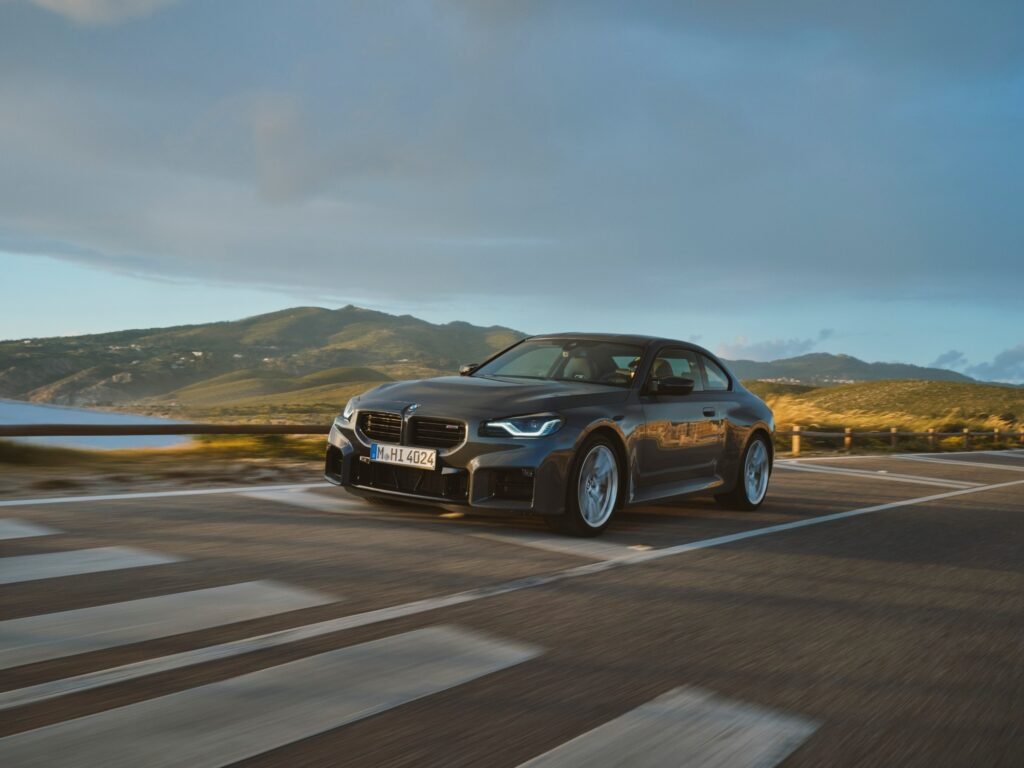
The car that makes the driver responsible for the fun
The current BMW M2 is neither especially small nor especially light.
Its styling remains divisive, its cabin is dominated by wide digital displays and the manual version is slower to 60 mph than the automatic.
None of those facts weakens the reason it ranks this highly.
The M2 still allows the driver to combine a high-revving inline-six, rear-wheel drive and a six-speed manual transmission in a compact two-door BMW M car.
The 3.0-litre twin-turbocharged engine produces 480 PS in European specification and 473 horsepower in North America.
The manual transmission reduces the available torque compared with the automatic and requires more work from the driver.
That additional work is the point.
Modern performance cars are exceptionally effective at removing mistakes. Automatic gearboxes select ratios faster than a human. All-wheel-drive systems distribute torque before the driver recognises a loss of grip.
Stability software can make substantial power feel surprisingly ordinary.
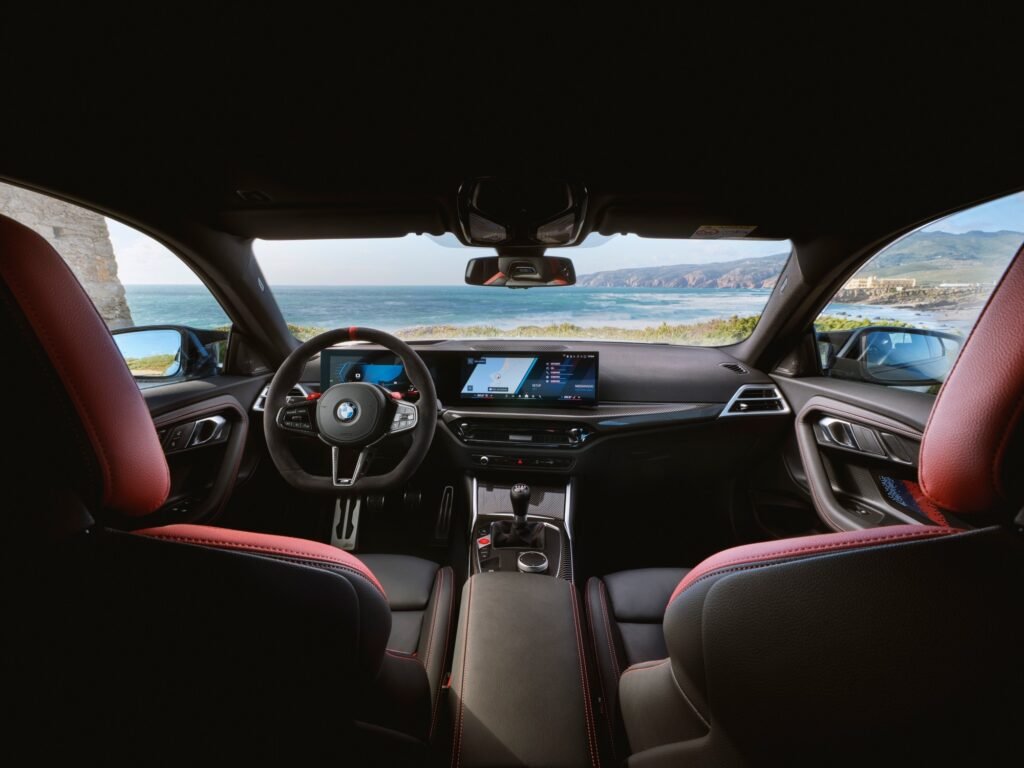
The manual M2 gives some responsibility back.
The driver must choose the gear, manage the clutch and decide how aggressively to deploy the rear tires. The car is fast enough to demand respect but usable enough to reveal its character below circuit speeds.
The forthcoming M2 xDrive will improve traction and acceleration, but the rear-wheel-drive manual remains the more emotionally direct configuration.
BMW’s expansion of the range makes that distinction clearer rather than less relevant.
The M2 is not elegant in the way an older BMW coupe was elegant. It is heavy, visually aggressive and not always subtle.
It makes the driver feel good because it still requires participation.
You do not merely request performance from it.
You help produce it.
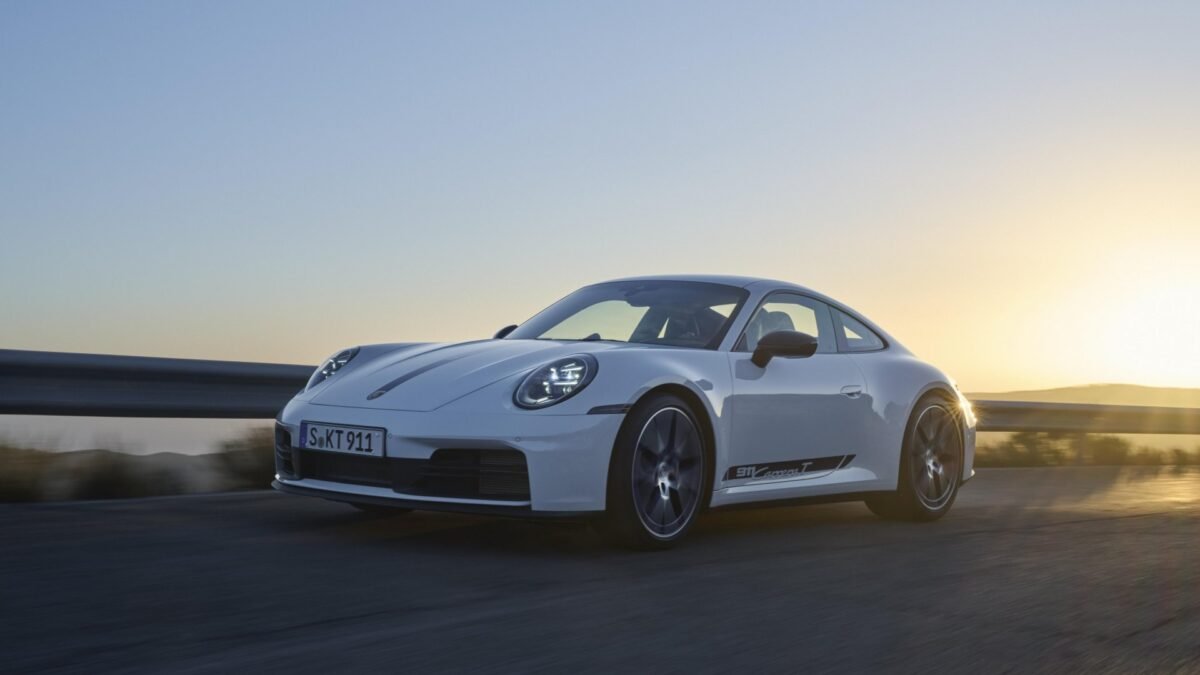
1. Porsche 911 Carrera T
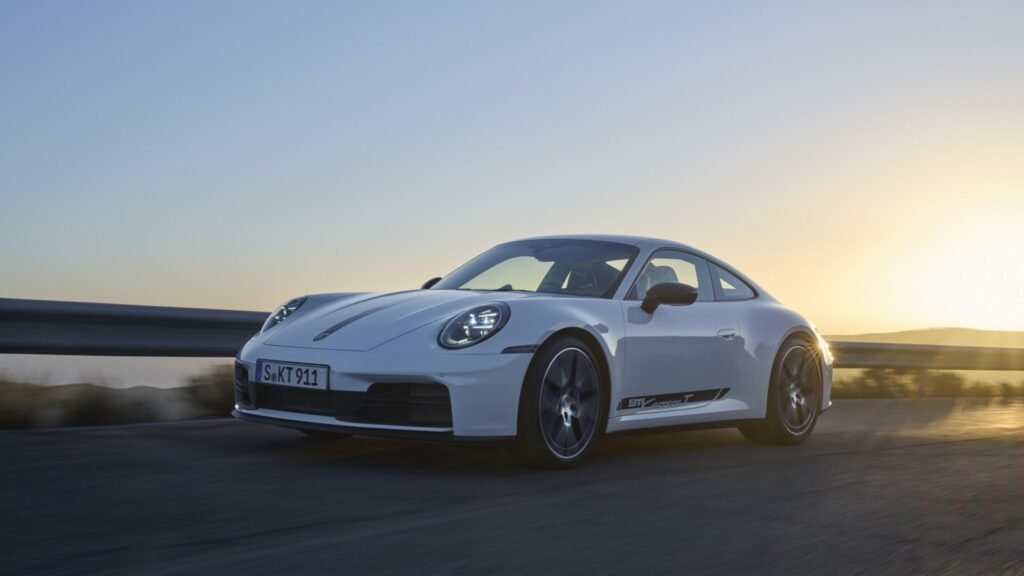
The car that remembers why driving became a pleasure
The Porsche 911 range contains faster models, more powerful models and cars carrying far more prestigious badges.
The Carrera T is the one most deliberately built around the act of driving.
It uses the standard Carrera’s twin-turbocharged 3.0-litre flat-six, producing 394 PS in European specification and 388 horsepower in North America.
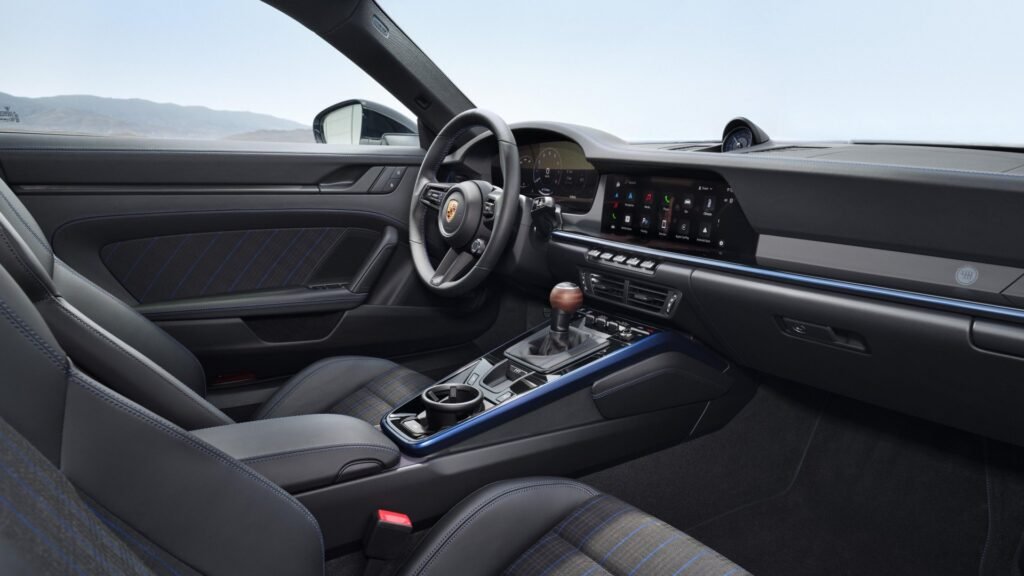
Power goes exclusively to the rear wheels through a six-speed manual transmission. There is no PDK option.
Porsche then concentrates on the details that shape interaction.
The Carrera T receives rear-axle steering, a more direct front steering ratio, a sports exhaust, a lowered adaptive suspension and reduced cabin insulation.
Lightweight glass and the manual gearbox help the lightest configuration weigh more than 40 kilograms less than the regular Carrera.
None of those changes creates a spectacular new headline.
Together, they alter the way the car speaks.
More engine and road sound reach the cabin. The shorter gear lever requires deliberate movement. Rear-axle steering gives the front end a quicker response without making the car nervous at speed.
The engine has enough performance to feel serious, but not so much that every gear becomes unusable on the road.
Independent reviewers have highlighted the Carrera T’s steering feedback, confidence and ability to engage the driver without relying on the extreme performance of a GT3.
The manual-only strategy also reflects buyer demand: a large majority of previous Carrera T customers chose the manual when both transmissions were offered.
It is not affordable.
Options can push the price toward faster members of the 911 family, and buyers seeking maximum performance for the money will find stronger numerical arguments elsewhere.
The Carrera T wins this ranking because it is not trying to maximise a number.
It is designed around small sensations: the weight of the clutch, the resistance of the shifter, the view over the front wings and the flat-six becoming more present as the revs rise.
A great feel-good car does not simply make the driver admire its ability.
It makes him feel involved in it.