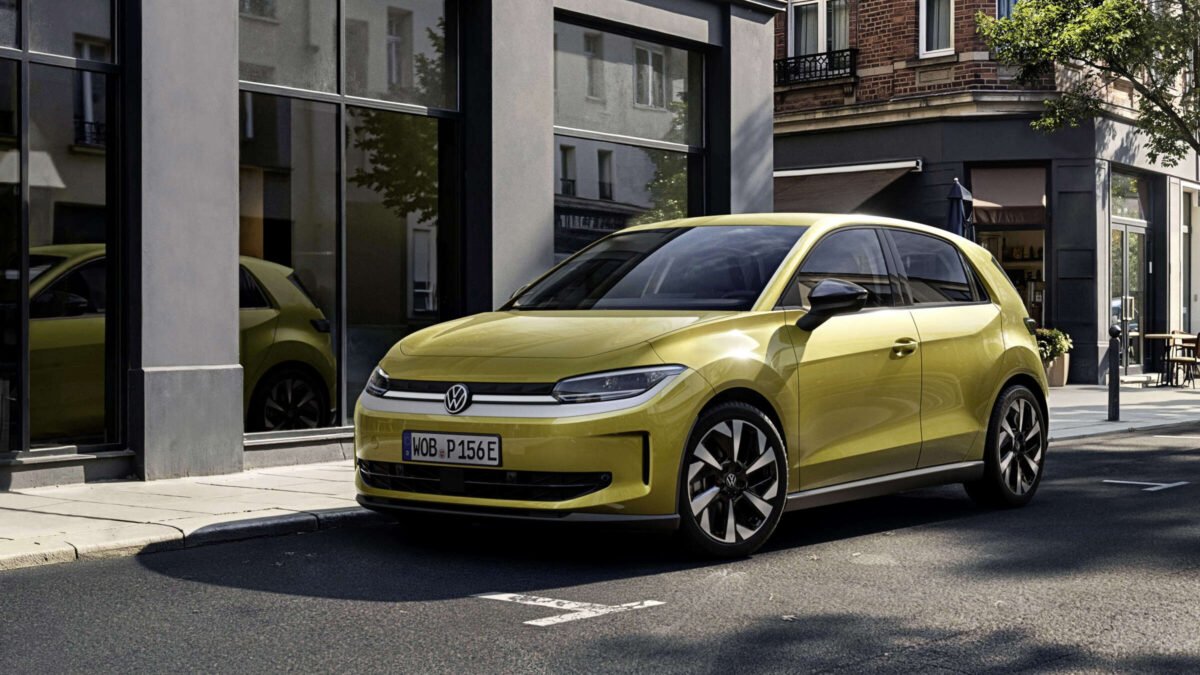
Volkswagen has opened German orders for the most affordable version of its new ID. Polo, bringing the electric hatchback’s promised €24,995 entry price to the market with a 37-kWh battery and up to 334 km of WLTP range.
The new ID. Polo Trend is aimed primarily at urban drivers and commuters who want a lower purchase price without giving up the technology, safety equipment and everyday practicality expected from a modern Volkswagen. Buyers can choose between two power outputs, while a 10-to-80% fast charge is claimed to take approximately 23 minutes.
Volkswagen ID. Polo 37-kWh: Key Facts
- Starting price: €24,995 in Germany
- Battery capacity: 37 kWh net
- Maximum WLTP range: 334 km, or about 208 miles
- DC charging power: Up to 90 kW
- 10-to-80% charging time: Approximately 23 minutes
- Power outputs: 85 kW and 99 kW
- Trim levels: Trend, Life and Style
All prices and equipment details currently apply to the German market.
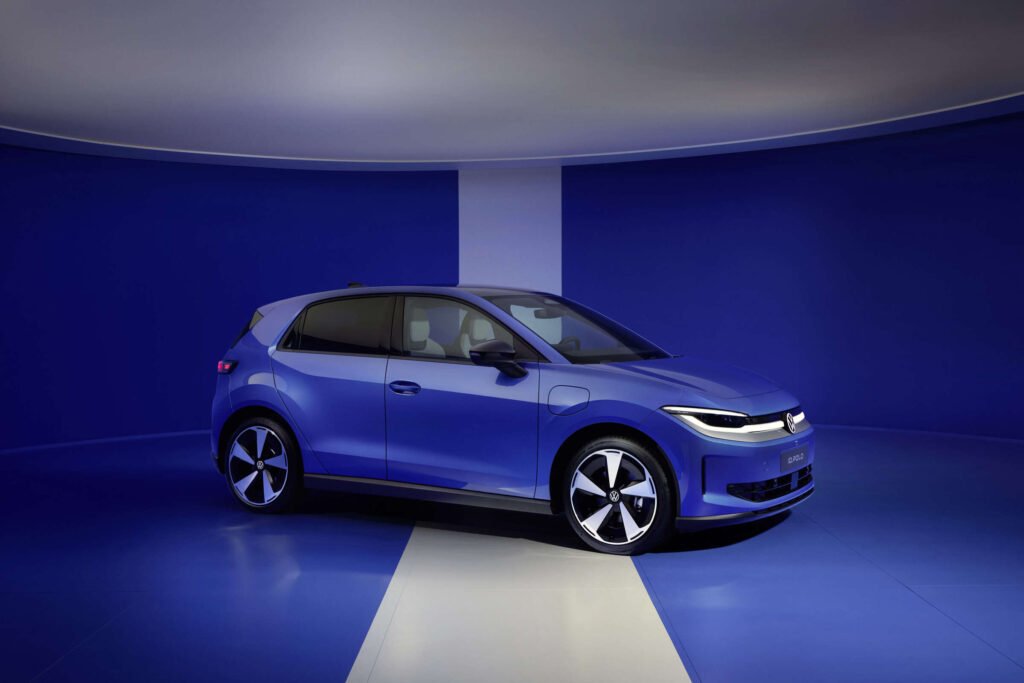
The €24,995 ID. Polo Is Now Available to Order
Volkswagen introduced the wider ID. Polo range earlier in 2026, but the smaller-battery model is the version that delivers the car’s headline starting price.
The entry-level Trend costs €24,995, while the better-equipped Life and Style versions can also be ordered with the 37-kWh battery, starting at €29,195. Volkswagen says the new variant arrives only a few weeks after the larger 52-kWh version entered pre-sales.
That distinction matters. Volkswagen is not announcing an entirely new car or revealing the ID. Polo’s price for the first time. Instead, it is making the least expensive configuration available to customers, turning the previously announced sub-€25,000 figure into an orderable vehicle.
For price-conscious buyers, that could be the most important ID. Polo of the range.
A Smaller Battery Designed for Everyday Driving
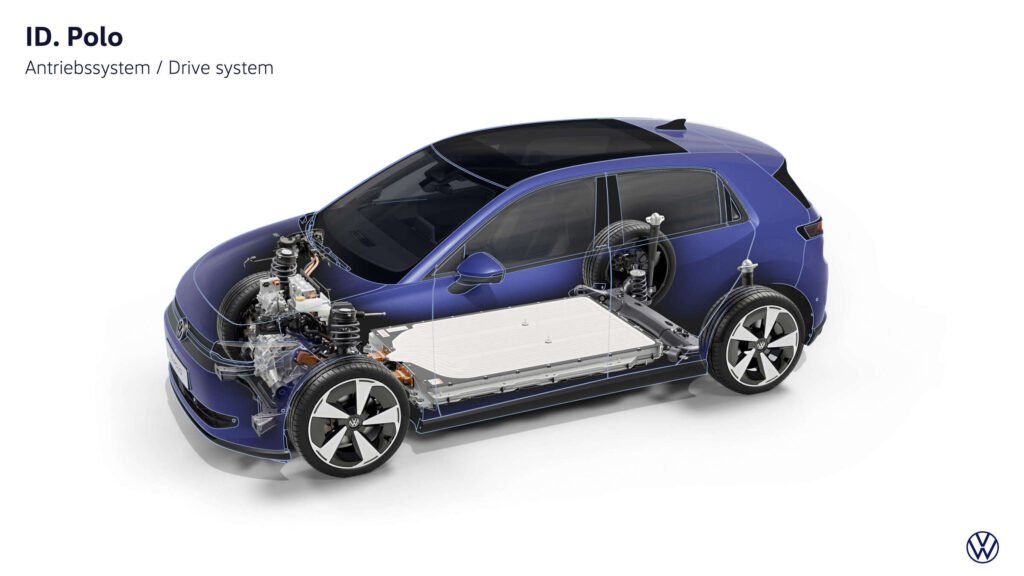
The 37-kWh battery gives the ID. Polo a claimed WLTP range of up to 334 km. Volkswagen is positioning the car for urban journeys, regular commuting and drivers whose daily routines do not require the extra capacity of a larger battery.
Two front-wheel-drive powertrains are available with the smaller battery. The first produces 85 kW, equivalent to 116 PS, while the second delivers 99 kW, or 135 PS.
The range figure is not exceptional by current EV standards, but that is not the point of this version. A smaller battery can help reduce the purchase price, limit weight and use fewer battery materials. For motorists who can charge at home, at work or regularly in their neighborhood, paying for additional range that is rarely used may offer little practical benefit.
The trade-off is clear: this version prioritizes affordability and daily usability over long-distance capability.
A 23-Minute Fast Charge
The entry-level ID. Polo supports DC charging at up to 90 kW. Under suitable charging conditions, Volkswagen says the battery can be replenished from 10% to 80% in approximately 23 minutes.
A 90-kW peak charging rate may appear modest next to the much higher figures advertised by some larger and more expensive electric cars. However, maximum charging power does not tell the entire story.
Because the ID. Polo has a relatively small battery, it requires less energy to complete a typical fast-charging session. Its claimed 23-minute charging time should therefore be more relevant to drivers than the peak power figure alone.
For owners who mainly charge overnight and use public fast chargers only on occasional longer journeys, that could be a practical balance.
Standard Equipment Is More Generous Than the Price Suggests
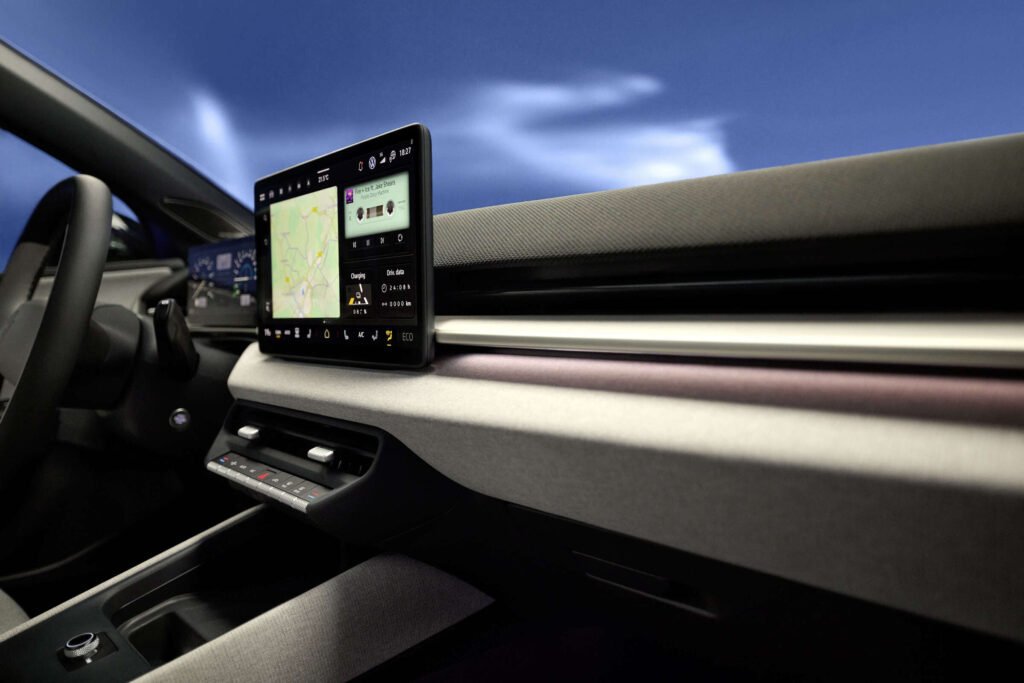
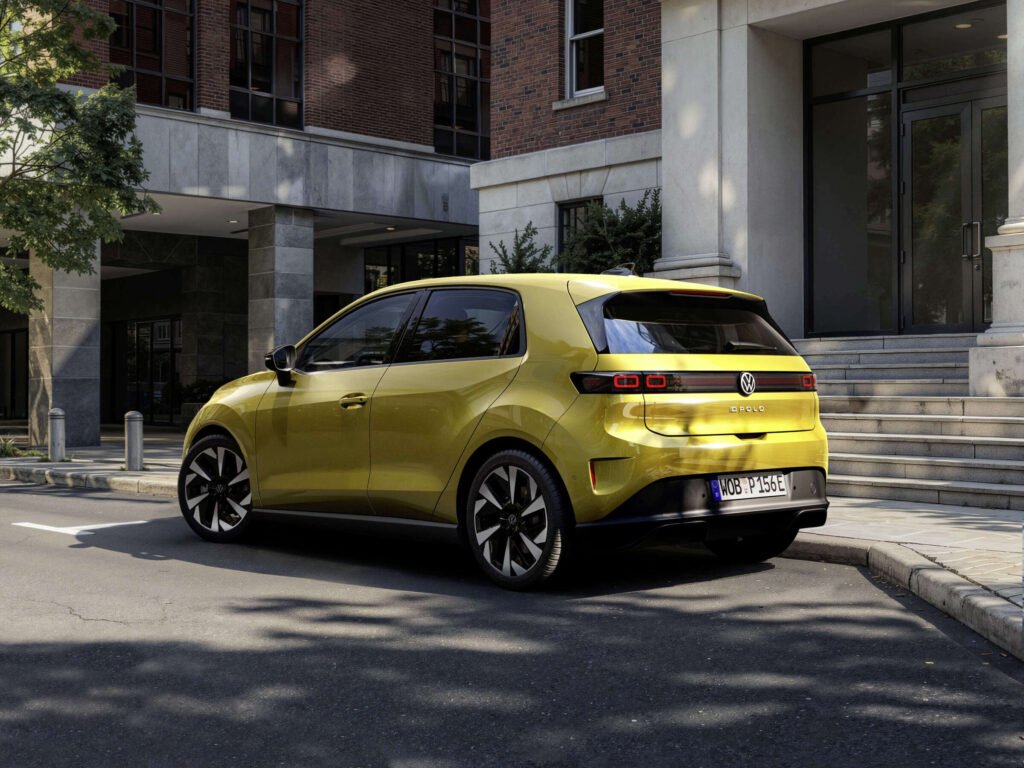
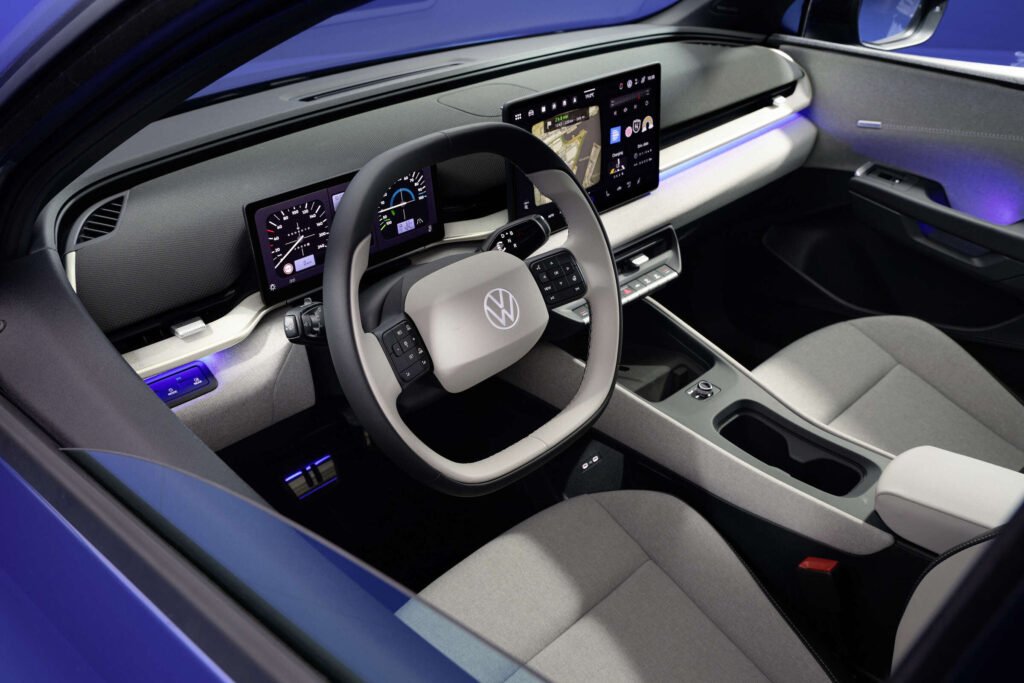
Volkswagen has avoided turning the Trend model into a stripped-out base car. Standard equipment includes a 10-inch Digital Cockpit, a 13-inch infotainment display, LED headlights, automatic high-beam control and automatic air conditioning.
The entry model also receives Side Assist, Lane Assist and Emergency Assist as standard. DC fast charging is included rather than being reserved for a more expensive trim or optional package.
The combination of two large displays, modern driver-assistance technology and automatic climate control should help the least expensive ID. Polo feel like a current-generation vehicle rather than a compromise created only to advertise a low starting price.
Life and Style Add More Technology
The ID. Polo Life adds adaptive cruise control, a rear-view camera, front and rear parking sensors and Front Cross Traffic Assist. It also includes Apple CarPlay, Android Auto, voice control, wireless smartphone charging and a variable luggage-compartment floor.
The Style trim moves further upmarket with IQ.LIGHT LED matrix headlights, an illuminated front light strip, 3D LED rear lights and illuminated Volkswagen badges. Inside, it adds sport comfort seats, ambient lighting, heated front seats, a heated steering wheel and two-zone climate control.
Available options include a Harman Kardon sound system, a panoramic glass roof and electrically adjustable front seats with a pneumatic massage function. Those features are unusual in a small electric hatchback, although adding them will naturally move the car well beyond its headline entry price.
Why the Volkswagen ID. Polo Price Matters
The European small-EV market is becoming increasingly competitive. The ID. Polo enters a class that includes attention-grabbing models such as the Renault 5, along with electric alternatives from Mini, Kia, Ford and other established manufacturers.
Volkswagen’s main advantage may be familiarity. The Polo name has been associated with practical, mainstream small cars for decades. Using that name for an electric model could make the transition easier for buyers who find Volkswagen’s earlier ID-branded vehicles less familiar.
An independent prototype drive by Autocar found the ID. Polo refined, mature and reassuringly solid. The publication said it felt recognizably like a Volkswagen, although it also identified the smaller-battery model’s range and charging performance as potential limitations.
That balance is important. The ID. Polo does not need to be the most exciting or longest-range EV in its class. Its larger opportunity is to become a dependable default choice for buyers who want a small electric car that feels conventional, practical and easy to live with.
Volkswagen Says Early Demand Is Strong
Volkswagen says its wider Electric Urban Car Family has received more than 70,000 orders within several weeks, including approximately 25,000 orders for the ID. Polo.
Those figures come directly from the manufacturer and have not been independently audited, but they suggest that lower-priced electric vehicles carrying familiar European brand names are attracting meaningful attention.
The new 37-kWh version could expand that audience further by lowering the financial barrier to entry.
What Buyers Should Consider
The advertised 334-km range is based on the WLTP test cycle. Real-world range can be lower depending on temperature, motorway speed, traffic, wheel size, climate-control use, passenger load and individual driving style.
Drivers who regularly complete long motorway journeys may find the larger-battery ID. Polo more suitable. The 37-kWh version makes more sense for commuters, city residents, second-car buyers and households with reliable access to charging.
Buyers outside Germany should also avoid assuming that the same €24,995 price will apply in their market. Volkswagen states that the announced prices, trims and equipment specifications are specific to Germany. Local taxes, incentives and standard equipment can significantly change the final price elsewhere.
The Bottom Line
The 37-kWh Volkswagen ID. Polo is not designed to win a maximum-range contest. It is designed to make an electric Volkswagen accessible to more people.
Its €24,995 starting price, 334-km WLTP range, approximately 23-minute fast-charging stop and respectable standard equipment create a convincing package for everyday driving. The limited battery capacity will not suit every customer, but that compromise is also what allows Volkswagen to reach the sub-€25,000 price point.
For buyers who spend most of their time in cities and suburbs, the entry-level ID. Polo may offer something more useful than an oversized battery: a familiar, practical electric car at a price that moves closer to the mainstream.