Tesla’s robotaxi service has officially arrived in Miami, adding a fourth major market to its fully driverless network — and handing the company’s camera-only autonomy system its most demanding real-world exam yet: South Florida’s notorious summer downpours.
The expansion, announced in early July, means fully autonomous Model Y robotaxis with no driver or safety monitor on board are now carrying passengers in Austin, Dallas, Houston and Miami. Unsupervised service launched in Dallas and Houston in April, before spreading across the full geofenced Austin metro area in early June.
Rain Is the Real Test
Miami is a strategic prize for Tesla, with dense urban traffic, heavy tourism and year-round ride-hailing demand. But it is also a meteorological gauntlet. Unlike rivals such as Waymo, which pair cameras with lidar and radar, Tesla relies exclusively on cameras and neural networks. Sudden tropical rain, standing water and glare off wet pavement are precisely the conditions critics have long argued could trip up a vision-only system.
Tesla, for its part, appears confident. The company has spent years training its Full Self-Driving software on fleet data gathered in every kind of weather, and Miami will generate an enormous volume of wet-weather miles that feed straight back into that training loop. How the service performs during the summer storm season will be closely watched by regulators, investors and competitors alike.
Scaling Toward a National Network
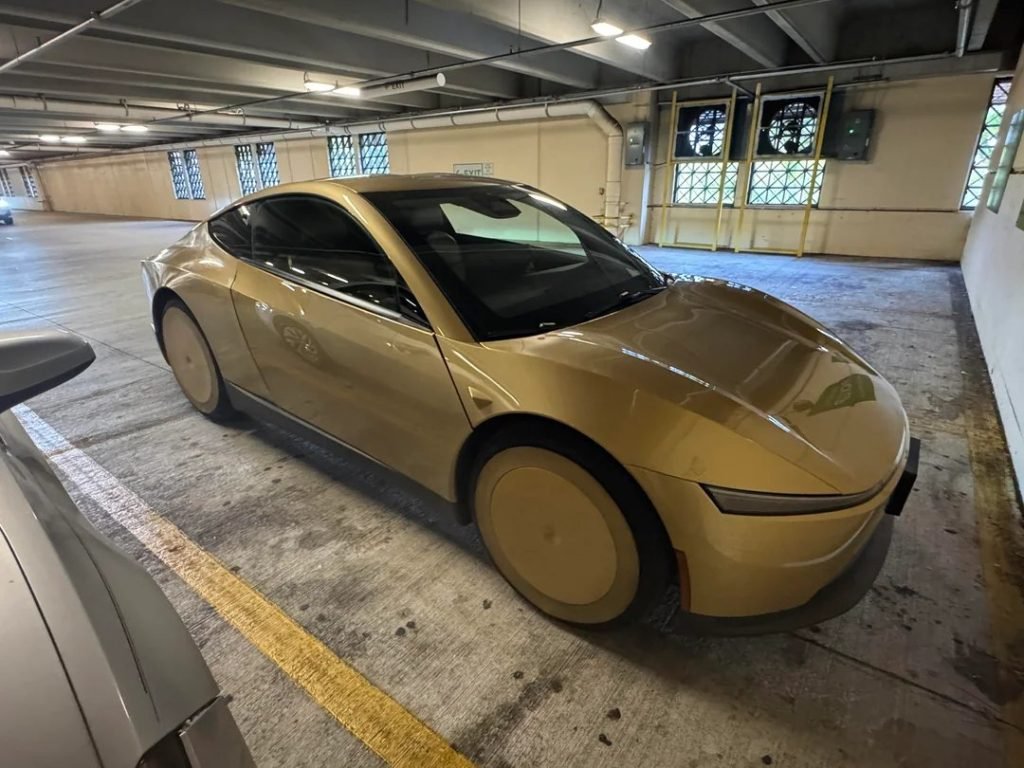
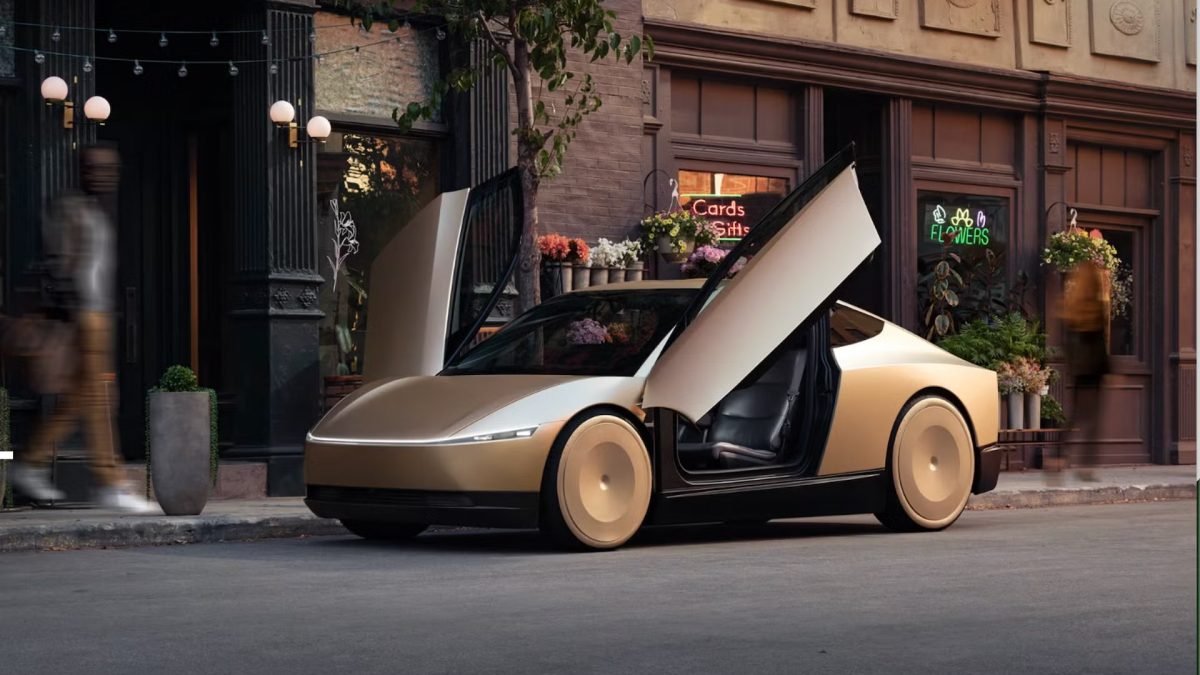
The Miami launch fits a broader pattern of aggressive expansion. Tesla has ramped its unsupervised robotaxi fleet steadily through the spring, and CEO Elon Musk has repeatedly said the service will be widespread across the United States by the end of 2026. Meanwhile, the purpose-built Cybercab — with no steering wheel or pedals — has begun testing on public roads in Austin, signaling the next phase of the program.
There are also signs Tesla is tightening the human side of the equation. Code discovered in a recent version of the Tesla iOS app suggests the company is preparing a driver-verification feature that would use the cabin camera to confirm an authorized user before Full Self-Driving can be activated in customer-owned cars.
For now, all eyes are on Miami’s skies. If Tesla’s robotaxis can shrug off a Florida thunderstorm, the company will have answered one of the loudest objections to its camera-only bet. If they cannot, the industry will hear about it just as quickly.
Source: Tech Times